
Scam Alert
September 3, 20262 min readQuitclaim deed fraud, is it something to be concerned about?
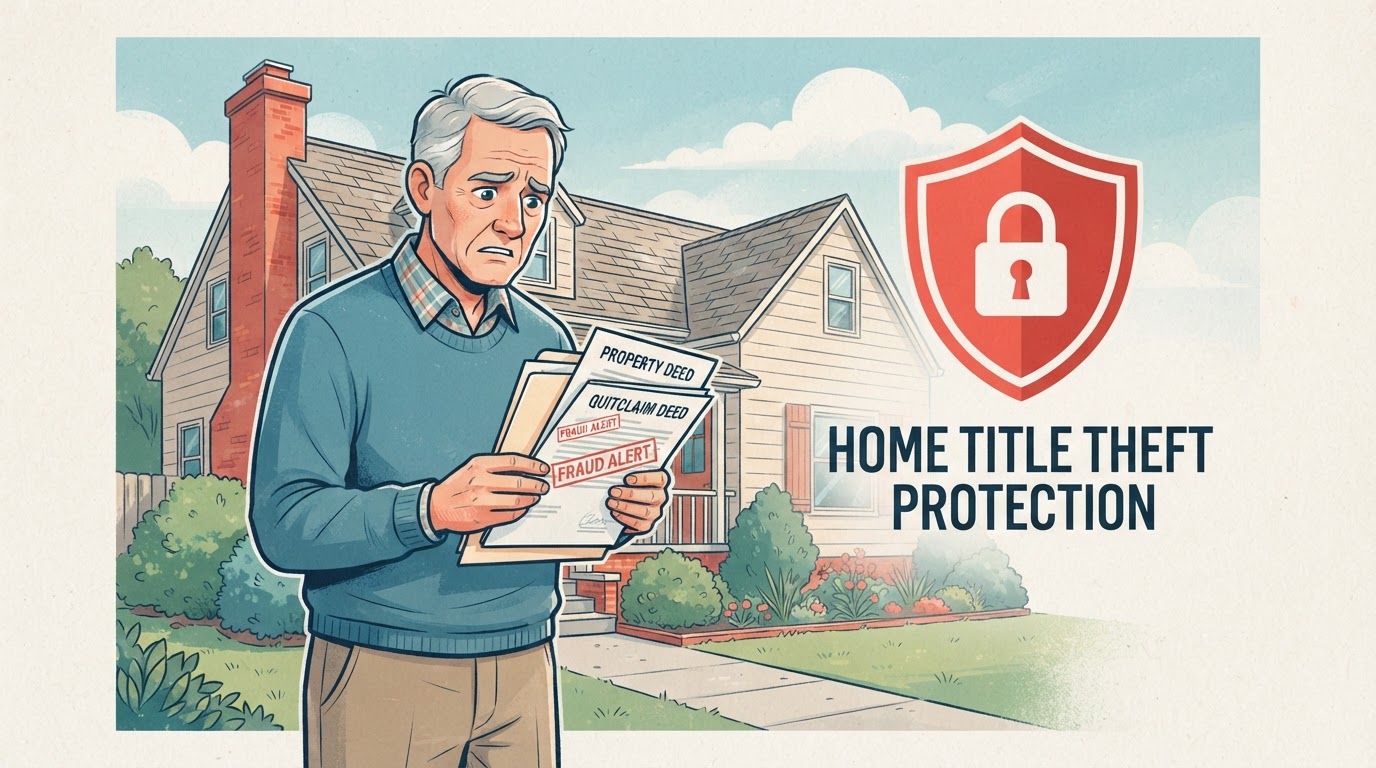
Yes, quitclaim deed fraud (or deed theft) is a real crime that law enforcement and the FBI warn is on the rise, but the nightly-news hype often exaggerates how easily a thief can permanently steal your house.
How the Scam Works
A quitclaim deed is a legal form used to transfer property ownership without any guarantees or warranties on the title. Criminals exploit this simplicity by forging a homeowner's signature on a blank deed, getting it notarized (sometimes with a fake stamp), and filing it with the local county recorder's office.
Once recorded, public records make it look like the scammer owns the property. They then try to:
- Sell the home or vacant land to an unsuspecting buyer
- Take out a mortgage or home equity loan (HELOC) against the property
- Rent out the property
The Reality vs. The Hype
- It is not "instant ownership": Recording a fraudulent piece of paper does not make a criminal the legal owner. Under the law, a forged deed is completely void. Courts routinely reverse these fraudulent transfers.
- You do not automatically lose your house: While cleaning up the mess is stressful, time-consuming, and potentially expensive in legal fees, true owners almost always win their property back in court.
- Who is targeted most? Scammers look for low-risk properties: vacant lots, second homes, inherited properties, or mortgage-free homes owned by elderly people who might not notice changes right away. If you live in your primary residence and monitor your finances, your risk is much lower.
- Beware of "Home Title Lock" ads: You may see aggressive radio or TV commercials warning you that thieves are coming for your title unless you pay a monthly subscription. Consumer protection experts note these companies sell pricey monitoring services, not actual insurance, and you can easily protect yourself for free.
How to Protect Yourself for Free
- Sign up for county alerts: Most county recorder or clerk offices now offer free property fraud alert services that email you immediately if any document is recorded under your name.
- Keep your address updated: Make sure your local tax assessor and utility companies have your correct mailing address so you never miss a bill or assessment notice.
- Check public records occasionally: Search your county's online land records once a year just to confirm your property is still listed correctly in your name.
Share this article: